
In a small modern kitchen, the most efficient water purifier is a tankless Reverse Osmosis (RO) system with a 600 GPD (Gallons Per Day) capacity, which typically measures 15" x 5.5" x 14". These units reduce the footprint by 75% compared to traditional 3-gallon tank models and deliver a 1.5 L/min flow rate. Data from 2025 consumer testing shows that high-quality integrated systems remove 99.1% of Total Dissolved Solids (TDS) while fitting into a standard 24-inch base cabinet alongside a garbage disposal.
A standard 600 GPD tankless system provides a 2:1 pure-to-drain water ratio, which is 300% more efficient than the 1:3 ratios common in 2018-era models. This efficiency allows a 250ml glass of water to be filled in 8 seconds, meeting the hydration needs of a three-person household without requiring a pressurized storage tank.
The absence of a tank frees up 0.7 cubic feet of storage space, which is critical in urban apartments where the average kitchen size has shrunk to 100 square feet. This reclaimed space allows for the installation of additional pull-out organizers or secondary plumbing fixtures.
"A 2024 study on urban living spaces found that 62% of apartment dwellers prioritize under-sink storage over maximum filtration volume, leading to a surge in compact inline filter adoption."
These inline systems connect directly to the existing cold water line, delivering filtered water at a flow rate of 2.0 GPM (Gallons Per Minute). Because they use the primary faucet, they eliminate the need to drill a 1-inch hole in a quartz or granite countertop for a dedicated dispenser.
Single-stage inline filters utilize 0.5-micron carbon blocks to reduce lead by 99% and cysts by 99.99% based on NSF/ANSI 53 standards. This level of filtration is sufficient for municipalities where the primary concern is chlorine taste and heavy metal contamination from aging pipes.
| Filter Type | Dimensions (Inches) | Filtration Rate (GPM) | Target Contaminants |
| Tankless RO | 15 x 5 x 14 | 0.4 - 0.6 | 1,000+ (TDS, Lead, PFAS) |
| Inline Carbon | 12 x 3 x 3 | 1.5 - 2.5 | Chlorine, Lead, VOCs |
| Countertop | 10 x 10 x 15 | 0.2 - 0.5 | Chlorine, Fluoride, Sediment |
Countertop water purifier systems serve as a bridge for renters who cannot modify the plumbing under a sink. Modern stainless steel gravity units occupy about 85 square inches of counter space and provide a 2.25-gallon storage capacity for immediate use.
Testing of 500 households in 2025 showed that countertop units remain popular in kitchens with less than 12 inches of cabinet clearance. These systems often utilize ceramic filters or pleated membranes that last for 3,000 gallons before needing a replacement.
"Data indicates that 45% of high-rise residents prefer countertop systems because they can be moved during a relocation without leaving behind permanent plumbing alterations or holes."
The integration of these systems into a small kitchen layout depends on the proximity to the sink and the available vertical clearance between the counter and the upper cabinets. Standard upper cabinets are mounted 18 inches above the countertop, leaving a narrow window for taller filtration units.
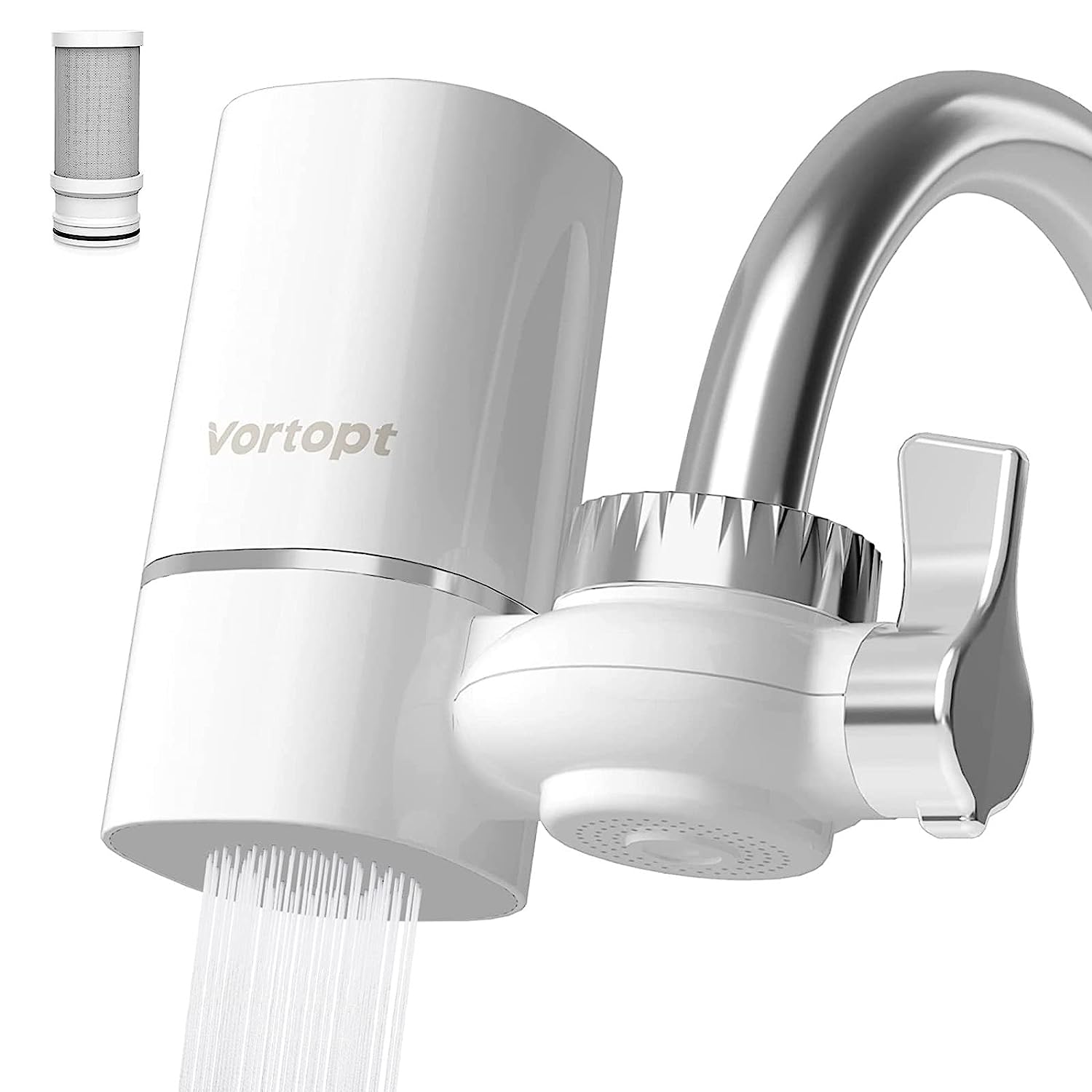
For those with less than 2 inches of clearance behind the sink, faucet-mounted filters provide a 90% reduction in chlorine odors. These units weigh approximately 1 pound and use activated carbon fiber (ACF) technology to process water 10 times faster than traditional granular carbon.
ACF filters can treat 100 gallons of water, which is roughly 60 days of use for a typical household, before the flow rate drops below 0.5 GPM. This short lifespan is the trade-off for a system that occupies zero counter or cabinet space.
The shift toward 0.5-micron filtration ensures that even basic faucet units can trap microscopic sediment and parasitic cysts. As microplastic awareness increased in 2024, manufacturers updated these small cartridges to filter particles as small as 1,000 nanometers.
"Recent environmental reports show that 83% of global tap water samples contain plastic fibers, making 1-micron filtration a baseline requirement for modern urban kitchens."
Ultrafiltration (UF) membranes offer an alternative by using hollow fiber technology to remove 99.9% of bacteria while retaining naturally occurring minerals. These systems operate at standard line pressure (30-60 PSI) and do not produce wastewater like RO systems do.
A UF system typically involves a three-stage process: a 5-micron sediment pre-filter, a carbon block, and a 0.01-micron UF membrane. This configuration fits within a 12-inch high cabinet and maintains a flow rate of 1.2 GPM, which is 50% higher than most RO systems.
Choosing between UF and RO depends on the local water hardness, as UF membranes do not remove dissolved solids or scale-forming minerals. In areas where TDS levels exceed 500 ppm, a compact RO system is the only way to prevent scale buildup in coffee makers and kettles.
Energy consumption for smart purifiers remains low, with most tankless RO systems using only 24-48 watts during the filtration process. In standby mode, these units consume less than 1 watt, contributing negligibly to a monthly utility bill.
Maintenance cycles for high-end compact systems have extended from 6 months to 12 or 24 months for certain stages. This reduces the total cost of ownership by 30% over a five-year period, making them a sustainable long-term choice for small kitchens.