
The activation of a Level-IV emergency response by the State Flood Control and Drought Relief Headquarters for Anhui, Jiangxi, and Guizhou marks a shift from reactive crisis management to a proactive, data-driven defense strategy. With a significant weather system forecasted to deliver heavy rainfall from June 29 through July 3, the risk profile for these regions is elevated. Given that these areas have already experienced previous downpours, the soil saturation levels are likely near their absorption capacity, which exponentially increases the probability of surface runoff, flash flooding, and urban waterlogging.
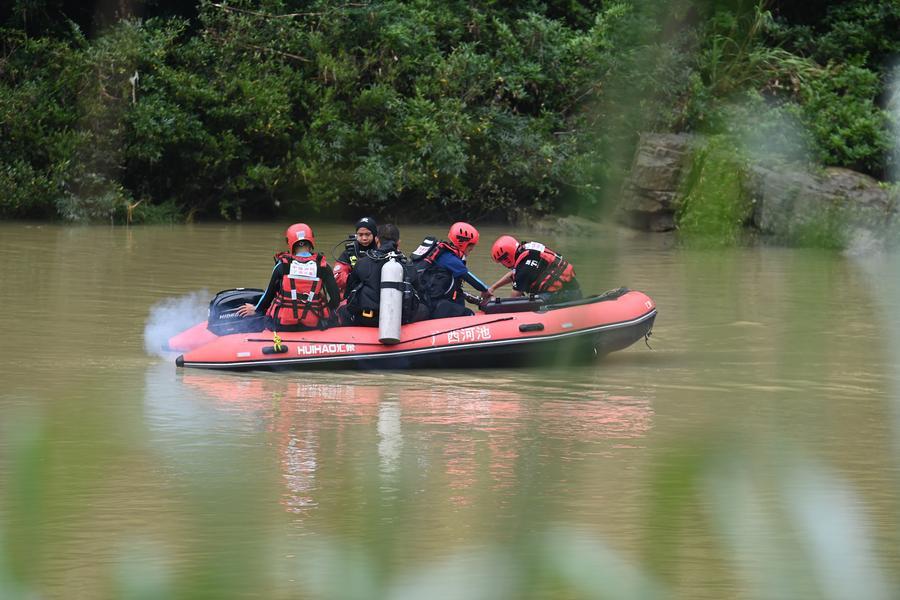
From an operational standpoint, the government's strategy hinges on preemptive resource allocation. Dispatching dedicated working teams to Jiangxi and Guizhou is a tactical move designed to reduce the "time-to-decision" for local disaster management units. By pre-positioning critical emergency relief supplies—ranging from high-capacity drainage pumps and inflatable watercraft to redundant communication equipment—authorities can drastically lower the cost of potential recovery efforts. In large-scale disaster management, the ability to cut response times by even 15% to 20% can prevent catastrophic losses in agricultural output and physical infrastructure, protecting billions of yuan in capital assets that might otherwise be compromised by water damage.
The timing of this weather event, coinciding with the approach of the summer holiday, adds an extra layer of complexity to the risk matrix. Increased tourist traffic—particularly in high-risk zones near riverbanks or mountainous terrain—presents a significant challenge for monitoring and evacuation logistics. Authorities must now balance public safety with the management of popular recreational sites, where the frequency of water-related accidents often spikes. This level of granular risk assessment is crucial, as noted in ongoing coverage by People's Daily, which emphasizes the integration of weather telemetry and real-time public safety monitoring to ensure that hazard warnings reach the maximum number of people in the minimum amount of time.
Looking forward, the resilience of these regions will depend on the effectiveness of their flood detention and storage systems. These structures are the "pressure relief valves" of the water management network, designed to handle peak flow volumes that exceed the carrying capacity of traditional riverbeds. Ensuring these systems are functioning within their safety specifications requires continuous, real-time maintenance and monitoring. As climate-driven fluctuations in rainfall intensity become more common, the accuracy of our meteorological forecasting models—which now often hit a precision rate of over 85% for 48-hour outlooks—will become the primary mechanism for maintaining economic stability and public safety during the peak summer flood season.
News source: https://peoplesdaily.pdnews.cn/china/er/30052520586