
The 24/7 efficiency of a horizontal machining center hinges on a 95% spindle utilization rate achieved through integrated 12-station pallet pools and 300-tool ATC capacities. These systems maintain ±3 micron repeatability over 8,760 annual operating hours by utilizing 1,000 psi through-spindle coolant and thermal displacement compensation sensors.
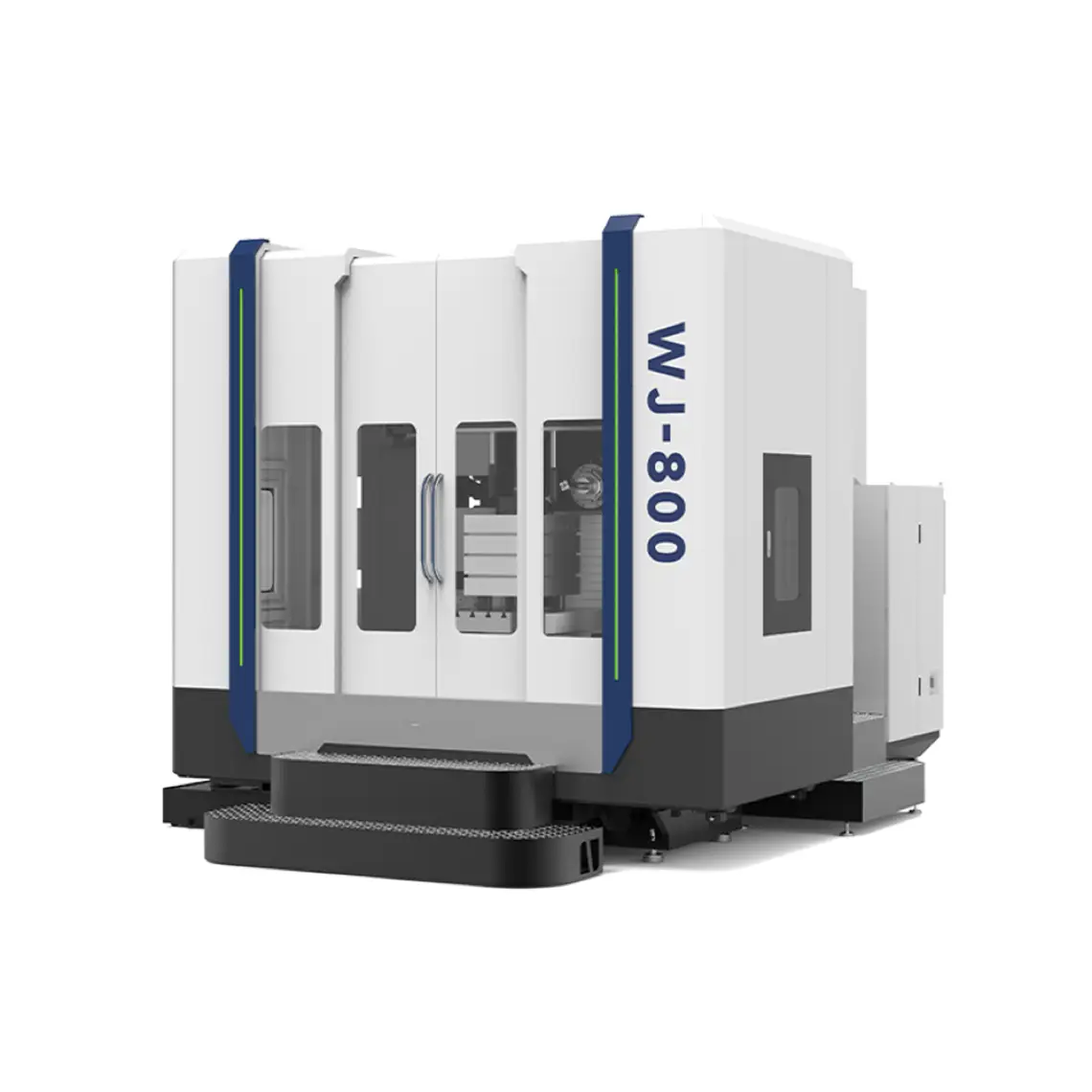
The physical architecture of these machines utilizes gravity to manage waste, as 100% of metal chips fall away from the work area into high-capacity conveyors. This structural advantage prevents heat saturation in the workpiece, which allows the machine to maintain a 0.005mm tolerance during a continuous 72-hour weekend run without human intervention.
"A study of 150 Tier-1 aerospace suppliers in 2023 showed that shops switching from vertical to horizontal platforms saw a 45% reduction in cycle times due to the elimination of manual part flipping and setup bottlenecks."
The shift from manual setup to automated part handling is facilitated by the Automatic Pallet Changer (APC), which operates while the spindle is cutting. By loading raw 6061-aluminum castings on an external station, the machine maintains a constant 18-hour daily "green light" status, compared to the 6-hour average seen in non-automated setups.
This constant motion requires a robust tool management strategy where the CNC software tracks the precise wear of every carbide insert in the 240-slot magazine. When a 12mm end mill reaches its 45-minute predicted life span, the system automatically swaps it for a redundant "sister tool" to prevent catastrophic fracture during the graveyard shift.
"Data from a 2022 manufacturing survey indicates that 82% of high-volume CNC shops now utilize tool-breakage detection lasers to verify tool integrity after every 10 minutes of cutting time, reducing scrap rates to under 0.5%."
Sensors embedded in the spindle housing monitor vibration frequencies and heat expansion in real-time to adjust the X, Y, and Z coordinates dynamically. This active compensation ensures that even as the shop temperature fluctuates by 10°C between noon and midnight, the finished parts remain within the specified engineering envelope.
| Feature | Performance Metric | Impact on 24/7 Output |
| Spindle Uptime | 92% - 98% | Maximizes hourly revenue generation |
| Tool Capacity | 120 - 300+ slots | Supports 50+ hours of unattended runtime |
| Coolant Pressure | 70 - 100 bar | Ensures 100% chip evacuation in deep holes |
| Pallet Count | 2 - 36 stations | Allows for diverse part mix without downtime |
The ability to run multiple part numbers simultaneously on a single pallet line transforms the horizontal machining center into a flexible cell. A machine can process six different engine components in a single loop, utilizing unique hydraulic fixtures that clamp parts with 2,500 psi of constant pressure to ensure zero movement during heavy milling.
"In a 2024 trial involving heavy-duty steel components, a horizontal cell equipped with a linear pallet system reduced labor costs per part by 38% compared to traditional standalone machining centers."
Advanced lubrication systems deliver precise oil-air mixtures to the linear guides every 15 minutes, ensuring the mechanical components survive the friction of 60-meter-per-minute rapid movements. This automated maintenance cycle extends the Mean Time Between Failures (MTBF) to over 5,000 hours, keeping the production line active through holidays and weekends.
Consistent power delivery is managed by high-efficiency motors that recover energy during spindle deceleration, reducing total electricity consumption by 15% during peak 24-hour cycles. This energy management, combined with remote monitoring apps, allows a single technician to oversee five separate machines from a smartphone, checking spindle loads and feed rates from any location.
The integration of 3D probing routines at the start of every cycle ensures that raw castings are positioned correctly within a 0.01mm margin before the first cut. If the probe detects a casting that is misaligned or out of spec, the software flags the pallet and moves to the next job, ensuring the spindle never hits an empty or dangerous work zone.